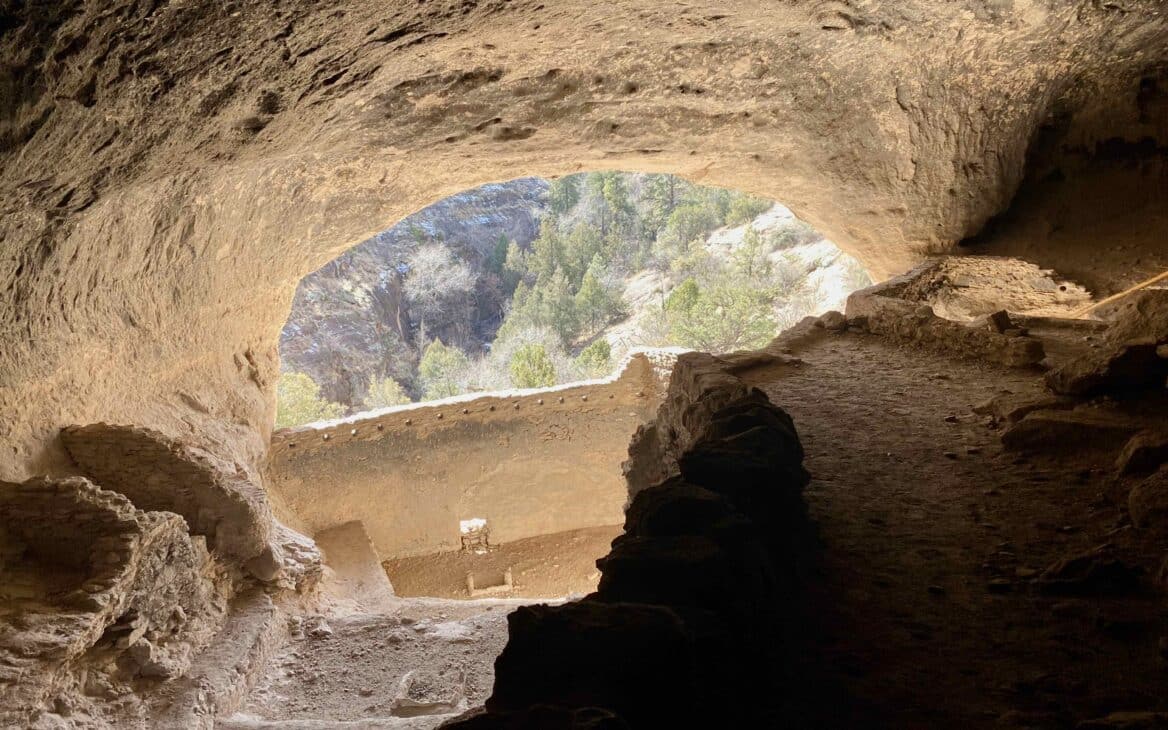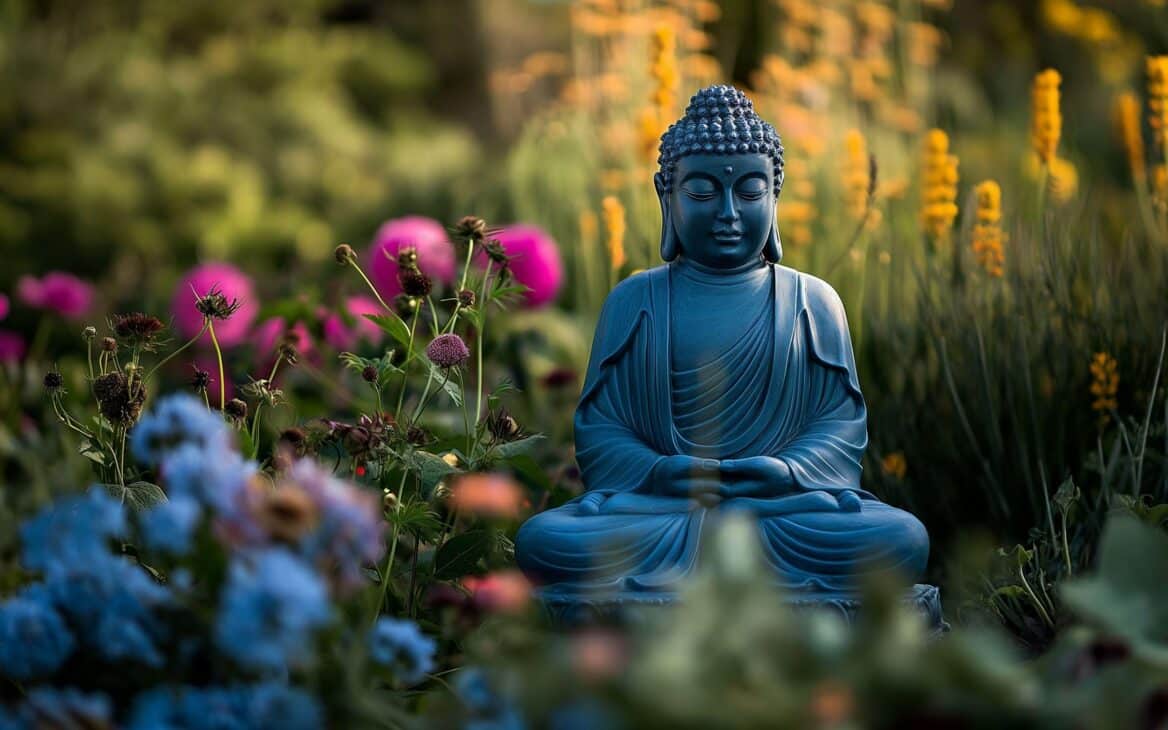

As I arrive at the small room where my mother has been bedridden for eight days, I pause in the doorway and peer in to catch the day’s first glimpse of her. It is a moment filled with expectation, a kind of existential awe and… trepidation. What state will she be in now? Will she still be breathing? The move toward death is such a threshold experience. It is a liminal place, between worlds, like the half-light before dawn or the luminous sky at dusk before the sky goes black. The threshold experience is full of paradox. On the one hand, it is murky, muddled and brackish like where a river flows into the sea. But on the other hand, it is a time of clarity when the immense and difficult questions of life get sorted.
The origins of the word “threshold” go back to the granary room, where the wheat is separated from the chaff. Dying is itself a kind of threshing, separating out what is most essential from the insignificant. At the threshold of dying all pettiness and preoccupation of the living fall away. All the rush and urgency of time subsides.
In the gap between life and death what becomes clear is that the physical body is a vessel, a place holder for a force that has no name, shape or form. Just on the other side of the door, there is an essential truth that awaits you, if you can reach in and find it. It is a hard-earned truth, that comes by stripping back the husk of this outer world. Like the soft sheen of my mother’s face, what gets revealed is luminous as pearl. It is as if she has a light shining from within, a glimmer of consciousness, a far-away celestial light, one that has traveled across galaxies for miles and miles and now filters out through the open windows of her eyes.