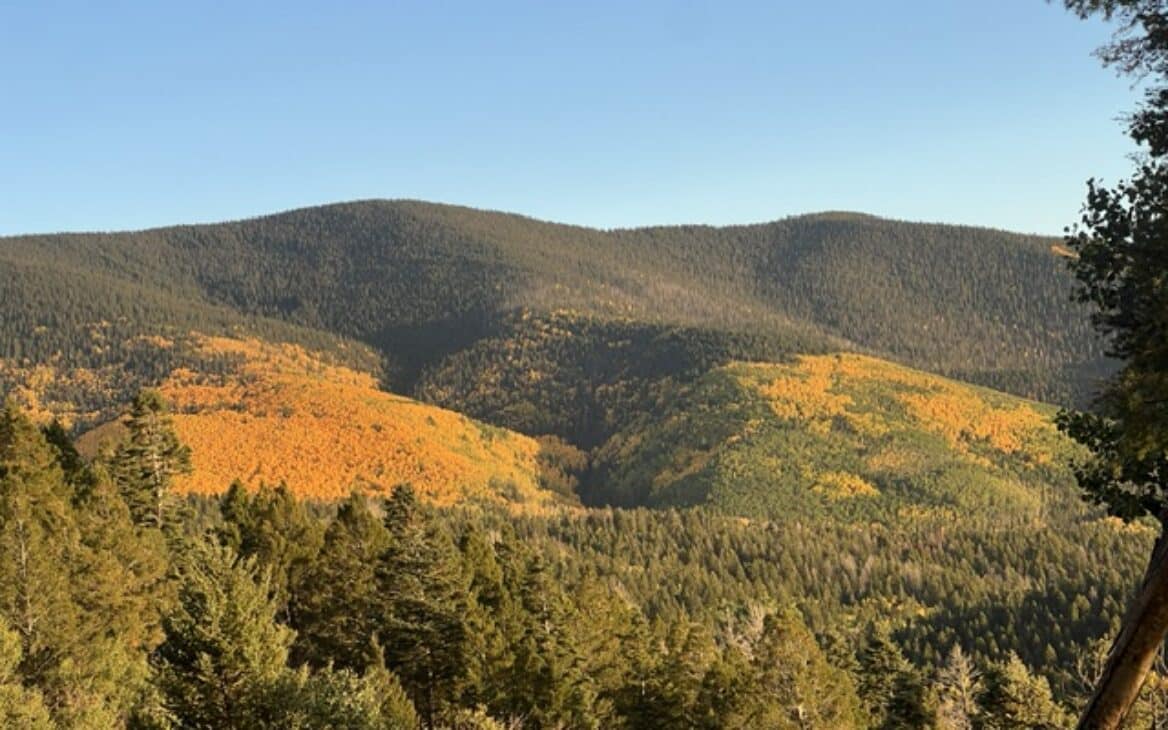
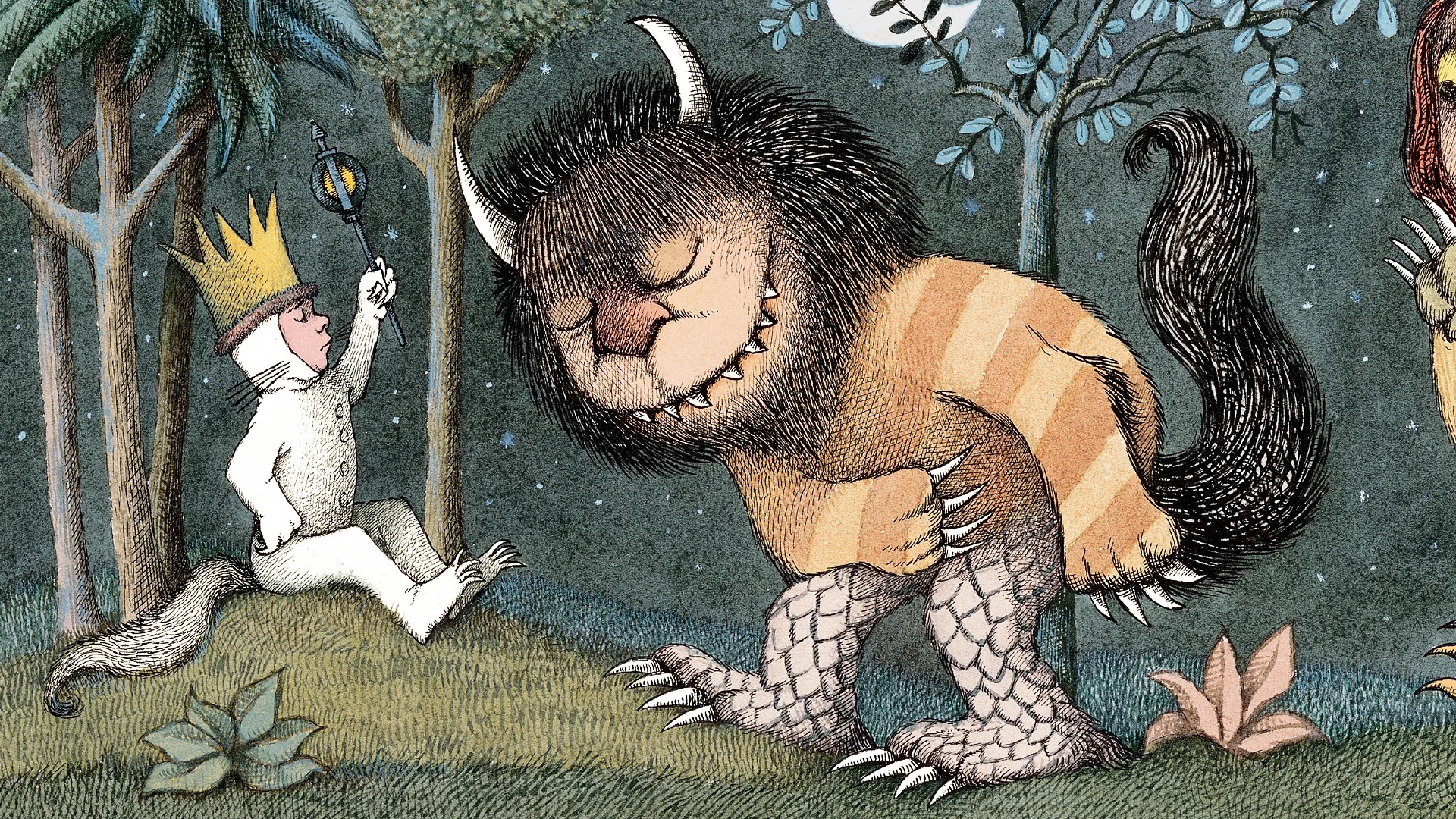
Being in the wild is a key ingredient for living a wholesome life. This wilderness is not only the natural world, accessible via the forest trail and the mountain path. It lives inside each of us as the pulse of nerve, the beat of the heart, the fluctuating tides of the cerebral spinal fluid. There is an indigenous vitality known as prana that animates every cell in the body. The poet Gary Snyder once wrote “good soil is good because of the wilderness in it.” Our interior is a dynamic ecosystem, an essential vibrancy, a biodiversity that is full of nutritive power. This wilderness is always beyond the willful command of our rational ego. The function of the spleen, pancreas, thyroid or liver operates outside our conscious control. But it is not only our essential biorhythm that shares connection to the wilderness. Our psyche, too, is an extension of the wilderness. It is a place we go in dreams, in myths and in our imagination. One of my favorite children’s books, Maurice Sendak’s Where the Wild Things Are, is a tale about a young boy who ventures by boat (in his wolf costume) to the land of the Wild Things who “roar their terrible roars and gnash their terrible teeth.” He spends the night dialoguing and dancing with the Wild Things. Many a night when we sleep, we dream of the wild—the wild cat, the big tree, the hummingbird, riding horseback, or plunging in the river. It is wilderness that heals and keeps us sane.
It is the same with the gods of India. Gods like Shiva embody the wilderness. Undomesticated and full of primordial energy, he bears signs of the wilderness—fire, the cobra, the bull, the moon. Shiva in his original guise, is known as Rudra, the Howler. As Rudra he is the fierce, untamed god who protects people from disaster. Thus each day when you practice yoga, plant yourself in the fertile, wild soil of your own spirit. Allow the wilderness that inhabits you to flow freely as your breath, bloodstream and heartbeat. When you nourish the wilderness within you, you nourish your “good soil,” and in so doing inhabit the energy of the gods.
Image source: Where the Wild Things Are copyright © 1963, renewed 1991, by Maurice Sendak